The Grammar Shift: Abstract Nouns from Verbs
Language shows our thoughts and experiences. Abstract nouns come from our daily actions. This article lists 100 abstract nouns created from verbs and explains their importance in expressing feelings and complex ideas. Discover this interesting part of language to improve how you express yourself.
Introduction to Abstract Nouns and Verbs
Abstract nouns and verbs are important in language because they express complex feelings. Abstract nouns, like “freedom,” “happiness,” and “courage,” help us communicate thoughts that go beyond the physical world.
Likewise, abstract verbs, such as “to believe” and “to aspire,” describe actions or states that we can’t see. Using these words well allows us to form stronger emotional connections in our writing and conversations.
Understanding the Concept of Abstract Nouns
Abstract nouns refer to ideas and qualities that we cannot see or touch, unlike concrete nouns that name physical things. They include concepts like love, freedom, and courage, which influence how we view the world.
Talking about words like “happiness” promotes conversation and understanding, improving our communication. Learning about abstract nouns boosts our vocabulary and strengthens relationships and cultural conversations.
Relationship Between Verbs and Abstract Nouns
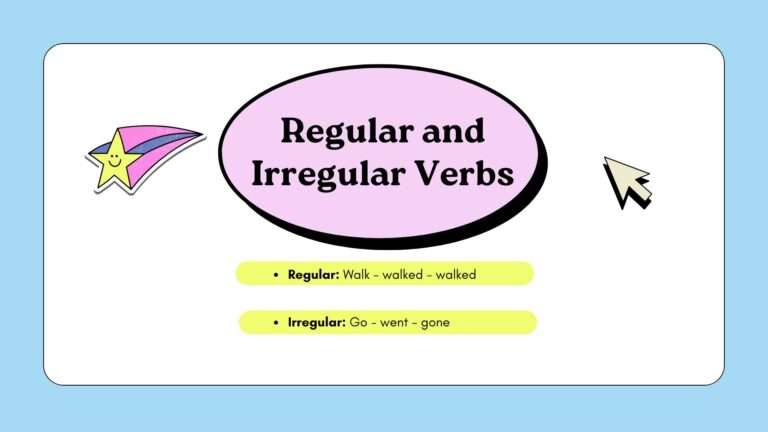
Verbs and abstract nouns are closely linked, showing action and emotion in language. Verbs push stories forward, while abstract nouns express feelings and experiences like love and freedom. This connection helps writers share complex ideas clearly. For example, “he loves” shows action with the verb, while “love” reveals its deeper meaning.
The choice of verbs also affects reality; phrases like “fought for justice” and “advocated for justice” create different feelings and images. These differences show how language influences our understanding and emotions.
List of 100 Abstract Nouns from Verbs
Here’s a list of 100 abstract nouns derived from verbs, perfect for a post or educational content. These nouns represent ideas, states, or qualities that are not tangible, and they originate from action words (verbs).
1. Acceptance (accept)
2. Achievement (achieve)
3. Admiration (admire)
4. Agreement (agree)
5. Amazement (amaze)
6. Amusement (amuse)
7. Annoyance (annoy)
8. Appearance (appear)
9. Application (apply)
10. Appreciation (appreciate)
11. Approval (approve)
12. Argument (argue)
13. Arrangement (arrange)
14. Assistance (assist)
15. Attraction (attract)
16. Belief (believe)
17. Betrayal (betray)
18. Birth (bear/give birth)
19. Bribery (bribe)
20. Celebration (celebrate)
21. Choice (choose)
22. Closure (close)
23. Collection (collect)
24. Communication (communicate)
25. Comparison (compare)
26. Competition (compete)
27. Completion (complete)
28. Confession (confess)
29. Confusion (confuse)
30. Connection (connect)
31. Consideration (consider)
32. Contribution (contribute)
33. Conviction (convince)
34. Cooperation (cooperate)
35. Creation (create)
36. Criticism (criticize)
37. Dance (dance)
38. Decision (decide)
39. Definition (define)
40. Delay (delay)
41. Denial (deny)
42. Departure (depart)
43. Description (describe)
44. Destruction (destroy)
45. Development (develop)
46. Disagreement (disagree)
47. Discovery (discover)
48. Discussion (discuss)
49. Distraction (distract)
50. Division (divide)
51. Donation (donate)
52. Doubt (doubt)
53. Education (educate)
54. Election (elect)
55. Encouragement (encourage)
56. Endurance (endure)
57. Enjoyment (enjoy)
58. Entertainment (entertain)
59. Escape (escape)
60. Establishment (establish)
61. Evaluation (evaluate)
62. Examination (examine)
63. Excitement (excite)
64. Explanation (explain)
65. Failure (fail)
66. Forgiveness (forgive)
67. Formation (form)
68. Friendship (befriend)
69. Growth (grow)
70. Harm (harm)
71. Help (help)
72. Hesitation (hesitate)
73. Hope (hope)
74. Identification (identify)
75. Imagination (imagine)
76. Impression (impress)
77. Improvement (improve)
78. Increase (increase)
79. Influence (influence)
80. Information (inform)
81. Invention (invent)
82. Invitation (invite)
83. Irritation (irritate)
84. Jealousy (jealous/envious)
85. Joy (rejoice)
86. Judgement (judge)
87. Justification (justify)
88. Knowledge (know)
89. Leadership (lead)
90. Learning (learn)
91. Loss (lose)
92. Love (love)
93. Movement (move)
94. Observation (observe)
95. Participation (participate)
96. Performance (perform)
97. Possession (possess)
98. Protection (protect)
99. Reaction (react)
100. Recommendation (recommend)
Examples of Abstract Nouns in Sentences
Here are 20 examples of abstract nouns used in sentences, each showcasing how these concepts function naturally in everyday language:
1. Happiness is the key to a fulfilling life.
2. Her bravery during the fire was admirable.
3. He showed great kindness to the strangers.
4. We must fight for freedom and equality.
5. Success doesn’t happen overnight.
6. His anger was visible in his expression.
7. Knowledge is power.
8. The child’s curiosity led to an amazing discovery.
9. They made a strong commitment to the project.
10. Friendship is built on trust and respect.
11. Justice must be served fairly.
12. She was filled with gratitude for the support.
13. Hope kept them going through hard times.
14. Love conquers all.
15. We need patience to deal with complex problems.
16. His ambition drove him to work harder.
17. Trust is hard to earn and easy to lose.
18. Creativity helps solve difficult problems.
19. Their loyalty never wavered.
20. Fear can prevent us from taking important steps.
Common Mistakes with Abstract Nouns
Many writers confuse abstract nouns with concrete ones, which weakens their writing. For example, saying “the children’s joy” is clearer and more engaging than “the happiness of the children.” This change makes ideas clearer and helps readers connect emotionally.
Also, using abstract nouns alone can make sentences unclear. Words like “freedom” and “justice” need specific examples to avoid confusion. By adding descriptive language or personal stories, writers can turn abstract ideas into relatable experiences.
How to Use Abstract Nouns Effectively
Abstract nouns can elevate your writing by adding depth. To use them effectively, consider embedding these nouns within vivid imagery or relatable scenarios. For instance, instead of simply stating “happiness,” you might illustrate it through a character’s laughter echoing in a sunlit garden.
Another powerful strategy is to contrast abstract nouns with concrete details to create contrast and highlight complexity. By pairing notions like “freedom” with specific examples of its absence — such as a character confined to a small room — you can provoke thought and evoke empathy.